About Snow Doctor
Expert data, brought together for everyone.
The mission
If you work a 9-to-5 or only get into the mountains now and then, you aren't watching avalanche and weather data all week. By Friday night you're rushing to piece together the week's history, the field reports and the forecast, spread across five different sites.
Reconciling avy bulletins, weather and field reports against where you plan to ride and with what you're observing in the field can be overwhelming. That's where the details that define a trip slip through: a brief rain crust at 2000 m, how the facets from three weeks back are doing, when the visibility will be at its best.
Snow Doctor brings every source together in one place and lines them up, so you can see where they agree, where they don't, and what to check on the ground.
How it started
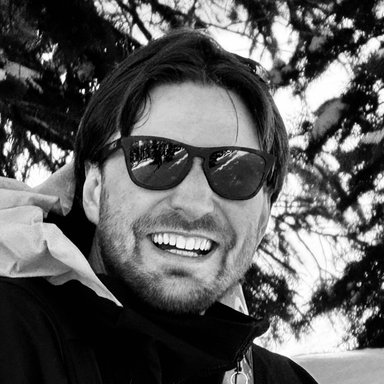 MF
MF
I grew up in Quebec, skiing and snowboarding since about the time I could walk. In 2020 I moved to BC, found the backcountry, and that was that.
My first run-in with weather systems came as an Air Cadet working toward my private pilot's licence. I've had real respect for their complexities ever since.
Making sense of messy data happens to be my day job. For over ten years I've built software and analytics products in very different industries, the last five in education technology, turning school data into better attendance and student success.
I hold my AST 1 and AST 2, but I'm not a meteorologist or an avalanche professional. Snow Doctor runs on their opinions, not mine.
Researcher or avalanche professional? We'd like to collaborate. Please reach out to hello@snowdoctor.ca.
Built on the experts' work
Everything in Snow Doctor comes from published, research-backed sources. We read them together. We don't replace them.
-
Avalanche Canada: Daily forecasts, danger ratings by elevation band (alpine, treeline, below treeline), avalanche problems, field reports from the Mountain Information Network, and ATES terrain ratings with the published terrain and danger matrix, shown beside each saved zone's avalanche list. Most terrain has no ATES rating, so unshaded ground on the map means unrated, not safe.
-
Weather models: Environment and Climate Change Canada's HRDPS, RDPS and GDPS, NOAA's GFS and the European ECMWF, so you can see where they agree and where they don't.
-
SNOWPACK: The snow-cover model from the WSL Institute for Snow and Avalanche Research SLF, run unmodified on HRDPS weather. It's the one thing we make ourselves, so it's always labelled simulated.
-
International snow classification: Simulated layers use the grain types and codes of the International Classification for Seasonal Snow on the Ground (UNESCO), the same ones used to record a real pit.
-
BC River Forecast Centre: Measured snow from 85 of its automated snow stations, used to test how closely the simulated snowpack matches what's actually on the ground.
-
BC Geographical Names: The names and points of the mountains you can search. The ones with a Wikipedia article, found through Wikidata, get a mark on the map. Contains information licensed under the Open Government Licence - British Columbia.
Your stashes stay yours. Saved zones are private. Nobody sees one unless you propose it to a plan, and even then nobody can save or export it unless you let them.
Built with the community
A lot of what's changed in Snow Doctor started as feedback from people using it. Found a bug, want something added, or think something reads wrong? We want to hear it.
In the app, open the More menu and tap Get in touch. We reply to the email on your account.
Or write to us directly: hello@snowdoctor.ca
Safety First
Snow Doctor is a tool to help you make decisions, not a replacement for your brain. Computers make
mistakes. Mountains change fast. This app can't dig a pit for you, and it can't pull your partner
out of a slide.
Get your AST 1, carry your gear (transceiver, shovel, probe), and always verify
snow reports with your own eyes on the ground.