About Crowsnest North
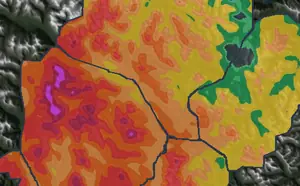
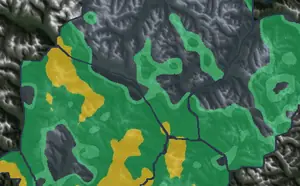
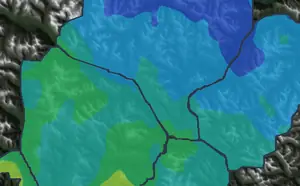
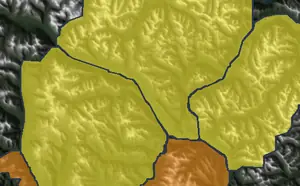
This page shows the current backcountry snow report, avalanche forecast, and weather conditions for Crowsnest North. Check the danger rating, field observations, and Doctor's Orders summary above before heading out.
The Crowsnest North region covers the mountain terrain above the Crowsnest Pass corridor between the Alberta-BC border and the upper Oldman River drainage, incorporating the Allison Creek and Gold Creek watersheds north toward Livingstone Ridge. This area sits in the transition between the Main Ranges and the Front Ranges of the Southern Rockies, characterized by long ridge systems, linear valleys, and a heavily treed mid-elevation band that opens into exposed, wind-scoured alpine terrain above 2000 metres. The town of Coleman and Highway 3 form the primary access corridor, with most objectives requiring significant approach travel along forest service roads.
The snow climate here is strongly continental, moderated only slightly by occasional Pacific moisture reaching through the lower passes to the west. Snowfall volumes are lower than regions in the Columbia wet belt, and the snowpack is frequently disturbed by fierce, sustained gap winds that load lee aspects and erode windward slopes. Surface hoar formation and faceting are common during the prolonged cold, clear periods that dominate mid-winter, and persistent weak layers can remain reactive for extended periods given the dry, cold snowpack structure.
Terrain within this zone includes: Coleman, Blairmore, Livingstone Ridge, Allison Creek, Gold Creek, Crowsnest Pass, Oldman River.