About Glacier Park & Rogers Pass
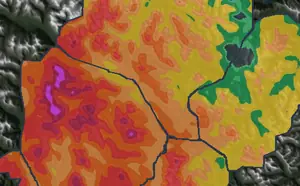
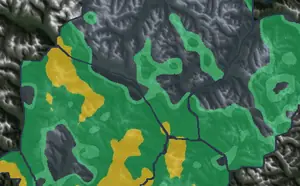
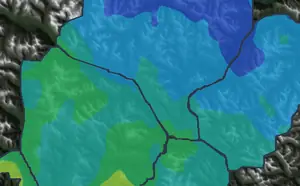
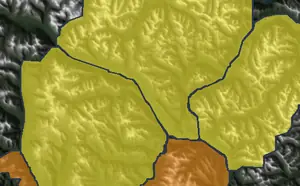
This page shows the current backcountry snow report, avalanche forecast, and weather conditions for Glacier Park & Rogers Pass. Check the danger rating, field observations, and Doctor's Orders summary above before heading out.
Asulkan is one of the most varied and complex valleys in Roger’s Pass. Begins with steep treeline glades (35°+) and tight trees that transition into large, well-defined avalanche paths — most of the valley is exposed to overhead hazard. Above treeline, the terrain opens into huge alpine basins and glaciated features around the Illecillewaet Glacier. Slopes range from supported 25–35° alpine ramps to steeper, more committing couloirs such as Youngs. Common aspects include N, NE, and E off the Asulkan ridge and SE–S off Glacier Crest. Cornice development and cross-loading are significant throughout the season. Terrain complexity is high, and safe options narrow quickly during storm cycles.
Connaught creek features a blend of storm-day treeline options and serious alpine exposure. The lower valley offers forested and subalpine slopes around Grizzly Shoulder with moderate, well-supported angles. As you branch toward Cheops, Balu Pass, or Ursus Ridge, terrain progressively steepens into large avalanche paths with overhead start zones. Common skiable aspects include W and NW on Grizzly Shoulder, E–NE in the Cheops alpine bowls, and S–SW around Balu Pass. The upper valley lacks significant tree cover, making navigation and stability assessment more consequential. Wind loading is often pronounced on the leeward sides of Cheops and Ursus ridges. Overall, terrain ranges from simple treeline laps to complex alpine with significant exposure.
Terrain within this zone includes: Glacier Crest, Youngs Peak, Sir Donald, Avalanche Crest, Grizzly, Connaught Creek.