About White Pass West
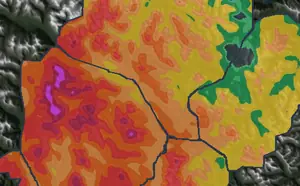
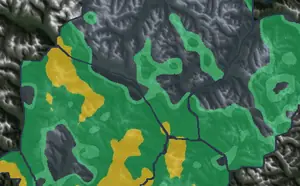
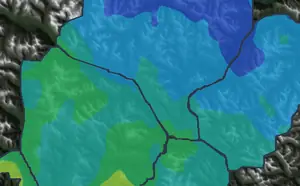
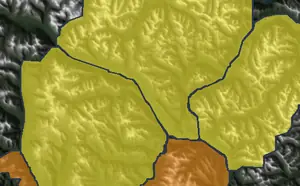
This page shows the current backcountry snow report, avalanche forecast, and weather conditions for White Pass West. Check the danger rating, field observations, and Doctor's Orders summary above before heading out.
The White Pass West region covers the terrain around White Pass on the Alaska-BC border, encompassing the high country accessible from the Klondike Highway between Skagway, Alaska and Fraser, BC. This historically significant mountain pass, first traversed during the Klondike Gold Rush, is defined by the rugged, heavily corniced ridgelines and glaciated hanging valleys of the northern Coast Mountains where they meet the southern Yukon Interior at one of the lower elevation crossings of the Continental Divide in this region. The South Klondike Highway provides direct winter access through the pass, and the terrain rises steeply on both sides into complex alpine environment that becomes increasingly glaciated to the north and west.
The snow climate at White Pass West is a dynamic blend of coastal maritime and continental interior influences, with Pacific systems tracking north through the Alaska Panhandle able to deliver significant snowfall and rapid warming, while Arctic air from the Yukon interior dominates during ridge-dominated weather patterns and can produce sustained extreme cold. The snowpack character reflects this variability — well-consolidated and loaded during active storm cycles, then subject to rapid faceting and surface layer degradation during cold, clear inland weather. The White Pass area is well known for intense and localized wind, and cornicing and wind slab on the upper ridgelines are persistent hazards regardless of the broader weather regime.
Terrain within this zone includes: White Pass, Skagway, Fraser BC, South Klondike Highway, Boundary Ranges.